Leutasch Geisterklamm: A Gorge Walk, Not Canyoning
Is the Geisterklamm at Leutasch a family activity or technical canyoning?
It is a family activity. The Geisterklamm is a gorge fitted with walkways, bridges and railings that you walk through in normal hiking shoes, not a roped canyoning descent. No entry price or opening hours are confirmed here, so check current times locally before you go, and expect it to be closed during the spring and late-autumn shoulder seasons.
What the Geisterklamm Actually Is
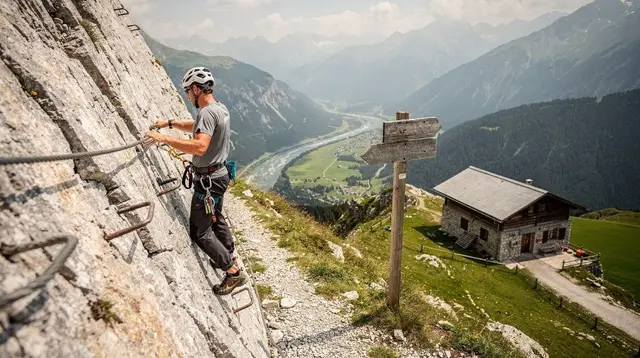
The name shows up on plenty of “things to do near Innsbruck” lists, filed next to the canyoning trips of the Ötztal as though it belonged to the same category of activity. It does not. The Geisterklamm, near Leutasch on the Seefeld plateau, is a gorge walk: a fitted path of timber boardwalks, footbridges and metal grating that carries you alongside and over the Leutascher Ache as it cuts down off the Wetterstein range.
You walk it in ordinary shoes, at your own pace, looking down at moving water and up at rock walls that close in overhead. Nobody clips you into a harness. Nobody hands you a wetsuit. That single distinction is the reason this page exists, because the two activities get lumped together constantly and they have almost nothing in common beyond both involving a gorge and some water.
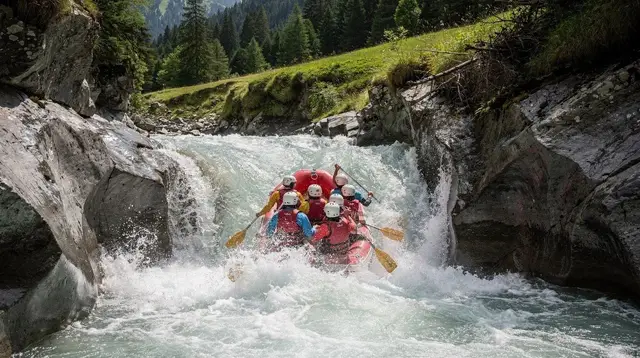
If you have read anything about canyoning in the Ötztal — the Auerklamm or the Alpenrosenklamm — forget most of what applies there. Canyoning is a guided descent through the watercourse itself: abseiling down waterfalls, jumping into plunge pools, swimming short stretches, all under a qualified guide with ropes and safety gear.
It is genuinely technical and genuinely thrilling, and it is described properly on our canyoning for beginners guide and our rafting versus canyoning comparison. The Geisterklamm is the opposite kind of experience: a constructed walkway that lets you see a gorge from the outside, dry, without ropes, without a guide, and without any prior fitness or skill beyond being able to walk on uneven, occasionally wet timber. If you came looking for adrenaline, this is the wrong page. If you came looking for a striking, easy, family-scale walk with genuine scenery, you are in the right place.
Where Leutasch and the Geisterklamm Sit
Leutasch is a stretched-out valley community on the far side of the Seefeld plateau from Innsbruck, tucked against the Bavarian border below the Wetterstein massif — the same range that carries the Zugspitze a little further along. It is a quieter, more rural corner of the plateau than Seefeld village itself, known locally more for cross-country skiing trails in winter and for a scattering of hamlets than for headline attractions.
The Geisterklamm is cut by the Leutascher Ache, the stream that drains this end of the valley, and the walkway follows the gorge it has carved through the rock over a comparatively short, self-contained stretch — nothing like the multi-hour approach a canyoning trip in the Ötztal requires.
It is worth being precise about which gorge is which, because Tyrol has several gorge walks and they get confused constantly. This page covers the Leutasch Geisterklamm only. The Ehnbach gorge near Zirl, at the foot of the Martinswand on the opposite side of Innsbruck, is a different gorge entirely, closer to the city and easier as a half-day trip from the old town. The Imster Schlucht, further west near Imst, is a whitewater rafting stretch rather than a walking gorge. Treat all three as separate destinations rather than interchangeable versions of “a gorge near Innsbruck.”
Why It Reads as Family-Friendly
The whole design logic of a gorge walk like this is to remove the barriers that make canyoning inaccessible to most visitors. There is no minimum swimming ability, no age cut-off tied to harness sizing, and no need to book a guide days in advance. A family with children old enough to walk confidently on a boardwalk and hold a handrail can typically manage it, provided they supervise closely — the path runs directly alongside and above fast-moving water, and wet timber and metal grating are genuinely slippery regardless of how sturdy the construction is.
This is not a warning to avoid the walk; it is the ordinary common sense that applies to any riverside or gorge path in the mountains, and the same caution applies to a walk through the Ehnbach or to any hike near moving water.
Compare it honestly with the two other family-scale options on this side of the plateau. A short gorge walk suits families who want something dramatic-looking but low-effort and short in duration — typically well under the half-day a proper hike demands. A day at the Alpenzoo suits families who want wildlife and a gentler pace with less walking. A longer outing on the Seefeld plateau hiking network suits families who want more distance and a real mountain view rather than a gorge floor. None of the three replaces the others, and our broader family planning guide sets out how they fit into a wider trip.
What to Bring and What Not to Expect
Because this is a walk and not a technical activity, the packing list is short. Closed shoes with real grip matter more here than almost anywhere else on the plateau, since the surfaces underfoot alternate between dry rock, wet timber and metal mesh directly above running water. A light layer is worth carrying even in summer, because gorges like this trap cool, damp air and stay noticeably colder than the open valley floor a few hundred metres away — the same effect you notice stepping into the Ehnbach or any similar cut in the rock. Leave the canyoning kit at home: no wetsuit, no harness, no helmet is needed or provided, because none of it applies to a walkway.
What not to expect matters just as much. Do not expect a confirmed entry price here — none is verified for this site, and this page deliberately does not invent one. Do not expect a fixed opening time you can plan around months in advance without checking, for the reason covered in the next section. And do not expect a long day out: a gorge walk of this kind is normally a component of a day, not the whole of it, which is why it pairs naturally with something else on the Seefeld plateau rather than standing alone as a full itinerary.
When It’s Actually Open — The Detail Most Visitors Miss
This is the single most important practical point on this page, and it is the one most guides to Tyrol’s gorge walks skip. Fitted gorge walks — boardwalks, bridges, handrails, sometimes ticket booths — need maintenance, and that maintenance happens on a schedule tied to the seasons, not to tourist demand.
Across Tyrol, walkways of this kind commonly close for the shoulder seasons: roughly mid-April through the end of May, as operators repair whatever winter and snowmelt damaged, and again in November, once the summer season ends and before winter closes the access road. Outside those two windows a gorge walk is usually open, but “usually” is doing real work in that sentence, and it is exactly the kind of detail that changes from year to year with weather and maintenance needs.
The honest advice, and the only advice this page will give, is to check the current opening dates locally — through the Seefeld or Leutasch tourist information office, or via whatever official channel is current at the time you travel — before you build a day around the Geisterklamm. Do not assume it mirrors the Christmas market calendar, the ski season, or any other Tyrol closure pattern; gorge walks run on their own maintenance logic.
If you are travelling in the shoulder season generally, our note on why the shoulder seasons are worth the risk covers the trade-off in more detail: quieter, cheaper, but with some attractions — this one included — genuinely unavailable.
How to Get There
Leutasch sits on the far side of the Seefeld plateau from Innsbruck, and the practical routes in run either by car or by the regional VVT public transport network that also serves Seefeld and the wider Karwendel area. A short final stretch from the nearest stop or car park to the gorge entrance is typical of sites like this, so check the current VVT timetable and the walking distance from your arrival point before relying entirely on public transport, especially if you are travelling with young children or limited time.
Because Leutasch and Seefeld share the same plateau, the Geisterklamm combines naturally with other activities on this page’s list rather than requiring a separate trip. A short e-bike loop, a funicular ride, or a lake walk on the plateau all sit within easy reach, and several of them run as guided outings if you would rather not plan the logistics yourself.
a comparable guided family gorge walk through the Ehnbach near Innsbruck gives a useful sense of what a fitted gorge walkway feels like if you want a guided version of the same kind of activity closer to the city.
On the Seefeld plateau itself, the Rosshütte funicular round trip is an easy way to add a mountain view to the same day without any walking effort, while a guided e-bike tour among the plateau’s lakes and moors suits families who want to cover more ground after a short gorge walk in the morning. For a slightly more active pairing, the guided tour taking in two lakes and the Brunschkopf extends the day into proper plateau scenery.
Gorge Walk or Canyoning: A Quick Comparison
| Geisterklamm gorge walk | Ötztal canyoning | |
|---|---|---|
| What it is | A fitted walkway alongside and over the gorge | A guided descent through the watercourse itself |
| Equipment | None specialised; sturdy shoes | Wetsuit, harness, helmet, guide |
| Skill needed | Basic walking on uneven, wet surfaces | Swimming ability, comfort with height and cold water |
| Typical duration | Under half a day | Half a day to a full day |
| Season | Closed in shoulder seasons; check locally | Runs through the warmer months |
| Suits | Families, casual visitors | Active adults and older teens seeking adventure |
Leutasch Geisterklamm: The Questions People Actually Ask
Is the Geisterklamm the same thing as canyoning?
No. Canyoning in Tyrol, of the kind run in the Auerklamm and Alpenrosenklamm in the Ötztal, involves ropes, harnesses, wetsuits and a guide leading you down through the watercourse itself. The Geisterklamm is a gorge walk: a fitted path of boardwalks, bridges and viewing platforms that follows the gorge from the outside, on your own two feet, in ordinary outdoor shoes.
Where exactly is the Geisterklamm?
It sits near Leutasch, on the Seefeld plateau northwest of Innsbruck, cut by the Leutascher Ache as it drops off the Wetterstein range toward the Bavarian border. It is a separate gorge from the Ehnbach near Zirl and from the Ötztal canyoning routes, and this page covers the Leutasch gorge only.
Do I need any special equipment?
No canyoning gear is required. Sturdy, closed shoes with grip are the practical minimum, since the path includes wet timber walkways and metal grating over moving water. A light layer helps too, because gorges like this stay several degrees cooler than the open plateau even on a warm day.
Is it open all year?
No, and this is the detail most worth checking before you drive out. Gorge walks of this kind in Tyrol typically close for the shoulder seasons, roughly mid-April to the end of May and again in November, while the operator carries out maintenance on walkways and bridges after snowmelt or before winter. Confirm current opening dates locally rather than assuming the gorge is open on any given day.
Is there an entry fee?
Gorge walks of this type in Tyrol are usually ticketed, but no specific price is confirmed for this site, so this page will not invent one. Treat any figure you see elsewhere as unverified until you check it against the current signage or the local tourist information office.
Is it suitable for children?
It is generally built with families in mind, since the whole point of the walkways and railings is to let visitors see a dramatic gorge without technical skill. That said, it still runs alongside moving water on wet surfaces, so supervise children closely, keep to the marked path, and treat any age or height guidance posted at the entrance as the final word.
What should I combine it with on the same day?
Leutasch sits within the wider Seefeld plateau, so a Geisterklamm visit pairs naturally with an easy walk or a cable car ride elsewhere on the plateau rather than with a long drive. It does not pair well with an Ötztal canyoning trip, which is roughly on the opposite side of the region from Innsbruck.
Can I get there without a car?
Seefeld and Leutasch are both reachable from Innsbruck on the regional VVT public transport network, though a gorge walk on the edge of a village often has a short final stretch that is easier with a car or a local bus connection. Check current VVT routes and timetables before relying on public transport for the last leg.
Canyoning and gorges on GetYourGuide
Verified deep-linked GetYourGuide tours. Book through these links and we earn a small commission at no cost to you.
GetYourGuide does not provide a product photo for this activity — the image shows the meeting point, photographed by us.