Auerklamm Canyoning Tour: What a Descent Involves
What is the Auerklamm and what does canyoning there involve?
The Auerklamm is a narrow gorge in the Ötztal, one of the valley's two signature canyoning sites alongside the Alpenrosenklamm. A guided descent moves down the streambed itself, combining abseils, natural rock slides and jumps into pools, and it runs only in the summer season.
Ask around the Ötztal for the best canyoning and one name comes up almost as often as the Alpenrosenklamm: the Auerklamm. It is not a hiking trail and it is not a viewpoint you can drive to and photograph from a car park. It is a gorge you descend, in the water, roped up and led by a guide, and it is one of the two sites the valley’s canyoning operators build their summer programmes around.
Two gorges, one name worth getting right
Tyrol has no shortage of gorges — the Ötztal alone is threaded with them, cut by meltwater over thousands of years into the limestone and gneiss either side of the valley floor. Most are viewed from a boardwalk. A small number are also used for canyoning, where the point is not to look at the gorge from the side but to move through its bed: sliding over polished rock, abseiling past waterfalls, and swimming the pools in between.
In the Ötztal, the Auerklamm is one of exactly two gorges used this way in any organised sense, the other being the Alpenrosenklamm near Sautens. The two names get mixed up constantly by visitors booking online, partly because they sit in the same valley and partly because “Auerklamm” and “Alpenrosenklamm” both end in the same word — Klamm, German for gorge or ravine. They are not the same place, they are not run by the same access point, and a tour description for one tells you nothing reliable about the other. This page is about the Auerklamm specifically; the Alpenrosenklamm has its own guide.
Within the Auerklamm itself, operators commonly split the gorge into an upper and a lower section — Obere and Untere Auerklamm in German. The lower section tends to be positioned as the more demanding, athletic route; the upper section is more often marketed toward people trying canyoning for the first time. That split matters when you are choosing a tour, because the two experiences are not interchangeable, even though they run through the same gorge.
What canyoning in the Auerklamm actually involves
If you have never done it, canyoning is worth describing in plain terms before you book anything. It is a guided descent of a mountain stream’s own bed, using a mix of techniques rather than a single one:
- Abseiling past waterfalls and drops that are too steep or too high to climb or jump down safely.
- Natural rock slides, where the water has polished the stone smooth enough to sit and slide, sometimes for several metres at a time.
- Jumps into pools of a depth and size the guide has already checked, ranging from a small step-off to something more committing depending on the route.
- Swimming stretches of the gorge where wading isn’t an option, in a wetsuit that keeps the cold at bay.
- Scrambling and downclimbing short rock sections between the wetter features.
None of this is done solo. A qualified guide leads the group, sets and checks every abseil and rope, and reads the water level before committing to a jump or a slide — conditions in a narrow gorge can change from one week to the next depending on rainfall and snowmelt upstream. The guide’s judgment, not a fixed itinerary, decides on the day exactly which features of the Auerklamm are run and which are bypassed.
Untere and Obere Auerklamm compared
Because the split between the two sections shapes which tour suits which visitor, it’s worth laying out the practical difference rather than assuming one is simply “the easy version” of the other.
| Untere Auerklamm (lower) | Obere Auerklamm (upper) | |
|---|---|---|
| Positioning | Athletic, more demanding | Aimed at first-time canyoners |
| Best for | Visitors with some outdoor fitness or prior canyoning experience | Complete beginners, first canyoning trip |
| Pace | More continuous action, less downtime between features | More instruction-led, more time explaining each technique |
| Verified duration and price | Not published for this page — check the current listing | Not published for this page — check the current listing |
Both routes are led by guides and use the same category of equipment. The real difference is intensity and how much is explained versus assumed. If in doubt, book the beginner-oriented route — a good guide will always let a confident group move faster, but there’s no way to slow down a route that was built to be demanding from the first abseil.
Book the more demanding descent through the Untere Auerklamm Book the beginner-friendly route through the Obere AuerklammWhat this page can’t tell you — and why
Every specific number that usually appears on an activity page — the exact duration of the tour, the price per person, the metres of descent, the number of abseils — depends on which operator, which section of the gorge, and which season you’re booking in, and none of it is fixed enough to state here as a verified fact. Rather than print a plausible-sounding figure that might be wrong by the time you read this, this page points you to the tour listing itself for the numbers that matter: current price, group size, minimum age, and the exact meeting time and place. Treat any number you see elsewhere online with the same caution unless it comes directly from the operator’s own current listing.
Check current pricing and availability for a beginner canyoning tour in the ÖtztalWhen you can actually do this
Canyoning in the Auerklamm is a summer activity, full stop. It depends on two things lining up: warm enough air and water temperatures to make hours partly submerged tolerable even in a wetsuit, and a manageable, predictable water level in the gorge itself. Both of those conditions hold, broadly, from early summer through to early autumn, and neither holds in winter or in the shoulder months either side of it.
That’s a firmer statement than it might sound. Tyrol’s shoulder seasons — roughly mid-April to the end of May, and again in November — are when a lot of the region’s outdoor infrastructure closes for maintenance regardless of activity, and canyoning is no exception: high meltwater in spring and dropping temperatures in autumn both work against it. If you’re building an Ötztal trip around canyoning specifically, aim for the middle of summer and check the operator’s current season dates before you commit — don’t assume the gorge is running just because you’re visiting Tyrol in warm weather elsewhere in the valley.
Fitness, swimming and what to bring
Canyoning asks more of your body than a hiking trail does, because you’re swimming, climbing and being lowered on a rope rather than walking at your own pace. A reasonable level of general fitness and a basic confidence in water — enough to swim a short pool stretch without panicking — is the normal baseline operators expect, though the exact requirement differs between the beginner-oriented Obere Auerklamm route and the more athletic Untere Auerklamm descent.
Equipment is provided as standard: wetsuit, helmet, climbing harness, and canyoning-specific footwear or neoprene socks with grip suited to wet rock. What you bring yourself is simpler — swimwear to go under the wetsuit, a towel, dry clothes and shoes for after the tour, and nothing valuable that you’d mind getting wet or losing in a plunge pool. Leave cameras and phones behind unless they’re properly waterproofed and secured; a guide’s job is to get the group down the gorge safely, not to fish equipment out of a pool.
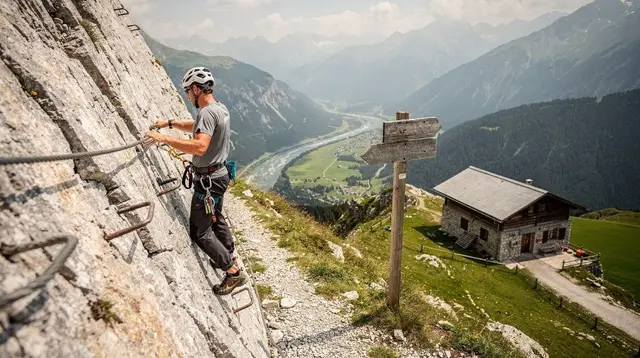
For a fuller rundown of what to pack for water-based activities in the valley, see what to bring for rafting in Tyrol, most of which applies equally to canyoning, and via ferrata gear and safety basics if you’re weighing canyoning against the valley’s other rope-and-harness activity.
Getting there
Auerklamm tours are run from the Ötztal, and most operators build transport into the booking: a pickup point in the lower valley, sometimes coordinated with hotels in Sölden or the villages further down toward Imst. If you’re staying in Innsbruck itself rather than in the Ötztal, check whether the specific tour you’re looking at includes a transfer from the city or expects you to make your own way into the valley first — this varies by operator and is worth confirming before you book rather than after.
How it compares to the Ötztal’s other water and gorge activities
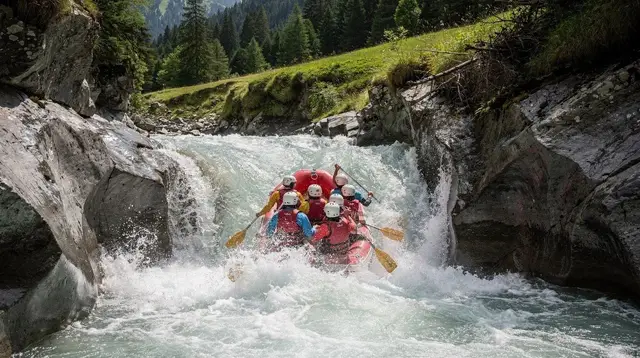
Canyoning is only one of several ways to get into the Ötztal’s water. The valley is also known for whitewater rafting through the Imster Schlucht, one of the best-known rafting stretches in the Alps, and for gentler family-oriented river trips further downstream. If you’re trying to decide which suits your group, rafting versus canyoning: what’s the difference lays out the practical distinctions — broadly, rafting is a shared boat moving downstream together, while canyoning is a smaller group moving through a narrow gorge on foot, rope and swim stroke by stroke.
Combine your Ötztal trip with a guided cave excursion in the Amberg TunnelFor a first canyoning trip anywhere in the valley, not specific to the Auerklamm, canyoning in the Ötztal for beginners is a useful starting point before you narrow down to a specific gorge and operator. And if the whole household is coming and not everyone wants to get in the water, Ötztal rafting trips for families and the wider things to do in the Ötztal hub cover calmer alternatives on the same stretch of valley.
Planning the rest of the day
A canyoning tour rarely fills an entire day on its own — most trips, including the beginner-oriented Auerklamm routes, run for a portion of the morning or afternoon rather than the whole day, leaving time either side for something else in the valley. AREA 47, the Ötztal’s purpose-built adventure park, sits close by and covers a wider spread of activities if your group wants variety across a multi-day stay. If you’d rather build a full itinerary around the valley’s water activities specifically, the Ötztal and Imster Schlucht whitewater itinerary strings several of them together across a few days.
For the fuller picture of what canyoning and gorge activities look like across the region, the canyoning and gorges category hub lists the Auerklamm, the Alpenrosenklamm and the other guided gorge routes side by side, which is the more useful place to compare options than trying to hold all the operator listings in your head at once.
Auerklamm canyoning: frequently asked questions
What is the Auerklamm?
The Auerklamm is a gorge cut into the rock in the Ötztal, west of Innsbruck. It is one of the two canyons most commonly used for guided canyoning in the valley, the other being the Alpenrosenklamm near Sautens. Canyoning here means descending the streambed itself, not walking a trail alongside it.
Where exactly is the Auerklamm located?
It lies within the Ötztal, the long valley that runs south from the Inn valley toward Sölden and the glacier. Operators running Auerklamm tours are typically based in or around the lower Ötztal, and most trips include transport to and from a central meeting point.
Is the Auerklamm suitable for beginners?
There are versions pitched at different levels. Some tours are described as introductory, aimed at people trying canyoning for the first time, while others are described as more athletic and demanding. Check the specific tour description for the fitness and swimming ability it expects before booking.
When can you go canyoning in the Auerklamm?
Canyoning in the Auerklamm is a summer activity. It depends on stable warm weather and a manageable water level in the gorge, conditions that exist roughly from early summer to early autumn. It is not an activity you can do in winter or in the shoulder seasons of spring and late autumn.
How much does an Auerklamm canyoning tour cost, and how long does it take?
This page does not have a verified price or duration specific to the Auerklamm, so none is quoted here rather than guessed. Check the current tour listing for exact pricing, group size and the length of the trip before you book.
What is the difference between the Auerklamm and the Alpenrosenklamm?
Both are canyoning gorges in the Ötztal used for guided descents, but they are separate sites with their own access points and character. The Alpenrosenklamm is covered on its own dedicated page for Sautens; this page deals only with the Auerklamm.
Do I need my own equipment?
No. Canyoning is a fully guided activity and operators provide the technical equipment: wetsuit, helmet, harness and canyoning-specific footwear or neoprene socks. You typically bring your own swimwear to wear underneath and a towel and dry clothes for afterward.
Can non-swimmers take part in canyoning?
Canyoning involves swimming through pools and being immersed in moving water, so a basic level of swimming confidence in water is generally expected. The exact requirement varies by tour and by how demanding that particular route is, so check the listing rather than assuming.
Canyoning and gorges on GetYourGuide
Verified deep-linked GetYourGuide tours. Book through these links and we earn a small commission at no cost to you.
GetYourGuide does not provide a product photo for this activity — the image shows the meeting point, photographed by us.