Stories from Innsbruck
Long-form writing on Innsbruck, the Tyrolean corridor and Austria — riding the Nordkettenbahnen and climbing the Hungerburgbahn, hiking to the Stubai Glacier, and the practicalities of Austria travel.
More stories

Andreas Hofer and the Battle of Bergisel

From the City Centre to 2,000 Metres in 30 Minutes

Hall in Tirol's Old Town Is Bigger Than Innsbruck's

Is the Innsbruck Card Worth It?

Kitzbühel vs the Olympia SkiWorld Innsbruck

The Alpenzoo Has Bears. The Mountains Don't.

Ötzi Was Found in Italy, Not in the Tyrolean Ötztal

Salzburg, Munich, or the Dolomites: The Honest Day Trip Choice From Innsbruck

Schloss Ambras Closes in November — Check Before You Plan Around It

Schwaz: The Silver Mine That Funded an Empire

Why I Ski From Innsbruck Instead of a Resort

Stubai Glacier or Hintertux: Which One for Off-Season Skiing?

Swarovski Crystal Worlds Is Not in Innsbruck

The Brenner Toll Nobody Mentions

The Christmas Market Locals Actually Use

The Empty Tomb in the Hofkirche

The Föhn Wind and the City's Mood

The Golden Roof Is Not Gold

The Jause Is Not a Snack

Two Olympics, One Small City

Tyrol Is Not South Tyrol (And the Mix-Up Costs People a Day)

What the Transit Pass Actually Covers in the Valleys

Why the Shoulder Seasons Are Worth the Risk

Winter Tyres and the Vignette: Driving Into Tyrol

Innsbruck's Zaha Hadid Double
Good to know about the Innsbruck blog
The blog steps back from strict planning to cover the questions that shape how an Innsbruck trip actually feels. An orientation piece opens with the most common misconception of all: Innsbruck sits in the Inn valley of Tyrol, hemmed by the Nordkette and the Patscherkofel, and its weather can shift from warm valley sun to snow patches at altitude within the same afternoon. A history piece follows the 1964 and 1976 Winter Olympics, and how the Games turned a mountain city into a year-round international destination.
Another looks at Maria-Theresien-Straße, redeveloped over centuries around St Anne's Column and the Triumphal Arch, and makes the point that Innsbruck has a genuine historic old town, unlike some purpose-built resorts. A piece on the Tyrolean Folk Art Museum explains the region's shared Alpine traditions and the collection built up over generations. A safety and etiquette piece is blunt about the Föhn wind — an everyday presence in the valley that can raise temperatures sharply within hours, never something to dismiss when planning a mountain day — and about the exposed sections on the Stubai Glacier and high Nordkette trails.
A piece on the Bergisel Four Hills Tournament follows the ski jumping event that fills the city every January. None of this replaces the destination or guide pages; it exists for the softer context a strict itinerary doesn't cover.
Frequently asked questions about the Innsbruck blog
Will I see the northern lights in Innsbruck?
Very unlikely — Innsbruck sits too far south, and its skies are too often affected by valley cloud for the northern lights to be reliably seen.
Why did Innsbruck become an Olympic host?
Innsbruck hosted the Winter Olympics twice, in 1964 and 1976, staging alpine and Nordic events at venues including the Bergisel ski jump.
Can I visit the Bergisel ski jump?
You can walk its streets freely, but the roughly 170 wooden houses are private homes, not museum exhibits.
Does Innsbruck have an old town or historic monuments?
Yes — Innsbruck's old town is genuinely historic, built up over centuries around the Goldenes Dachl, so there is a real old town and historic monuments to visit.
What is Nuart?
A ski jumping event that fills the Bergisel every January.
tours.boat-tours
Verified deep-linked GetYourGuide tours. Book through these links and we earn a small commission at no cost to you.
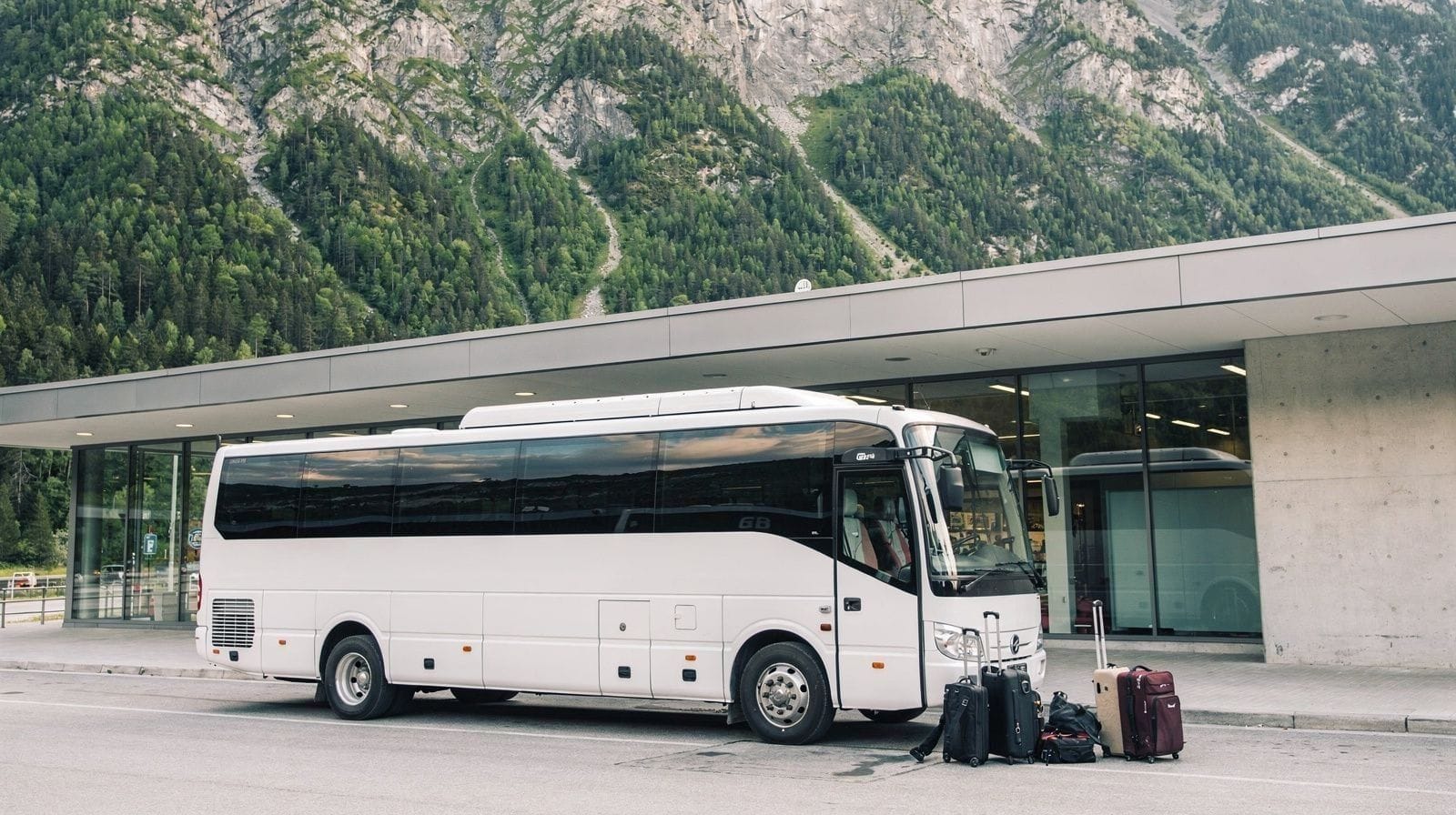
GetYourGuide does not provide a product photo for this activity — the image shows the meeting point, photographed by us.


